PhD Bioengineering · Pitt · Cardiovascular Health Tech Lab

Mahdi Jazini

I do early-stage investigation on bringing invasive information into the non-invasive world. First chapters: cardiac output and venous pressure. Waiting for my next chapter.

DSP & MLphysiology-informed
Embedded Systemshardware + firmware
Healthcareclinical deployment
University of Pittsburgh· Cardiovascular Health Tech Lab· Carnegie Mellon University· IEEE-EMBS · Body Sensor Networks· MACSOS Outstanding Paper 2025· Safar Symposium · Top Poster· Scientific Reports· medRxiv· University of Pittsburgh· Cardiovascular Health Tech Lab· Carnegie Mellon University· IEEE-EMBS · Body Sensor Networks· MACSOS Outstanding Paper 2025· Safar Symposium · Top Poster· Scientific Reports· medRxiv·
PPG
photoplethysmogram
ECG
electrocardiogram
01

About

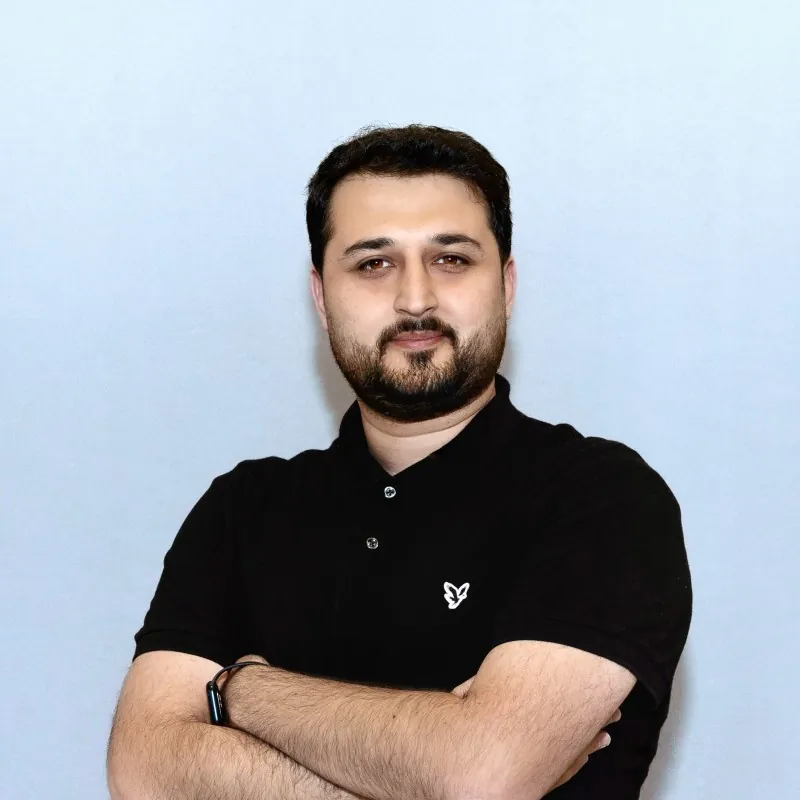
Mahdi Jazini portrait
MJ
Pittsburgh, PA

I build non-invasive hemodynamic monitors — hardware, signal pipelines, ML — that hold up against the catheters they're trying to replace.

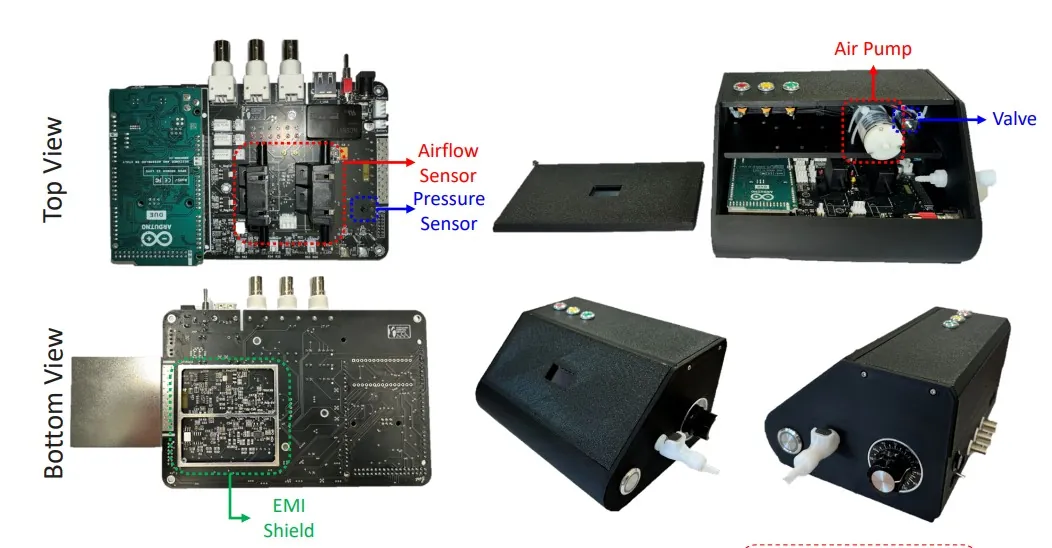
I'm a PhD candidate in Bioengineering at the University of Pittsburgh (Biosignals track), advised by Prof. Ramakrishna Mukkamala in the Cardiovascular Health Tech Lab. My work spans custom hardware, signal processing, and machine learning — non-invasive sensors across the whole hemodynamic stack, validated against invasive references in multi-site surgical studies.

I came to Pitt after a Master's in Integrated Circuits from University of Tehran and a Bachelor's in Digital Electronics from Amirkabir University of Technology. Between degrees I spent three years at Tosan Co. leading 14-layer mixed-signal PCB design and microprocessor signal-processing chains — I came to research with a production mindset.

I care about the parts of medical devices most people never see: the PID loops, the noise floor, the calibration drift, the pneumatic transients, the DSP and ML pipelines that turn raw physiology into meaningful vitals. That's where patient safety lives — and where honest accuracy begins.

125+
Surgical patients
clinical data collected with my device
2
Best / Top Paper
MACSOS 2025 · Safar 2025
6+
Peer-reviewed
publications (2 first-author at Pitt)
02

Research Focus

Non-Invasive
Hemodynamic Monitoring

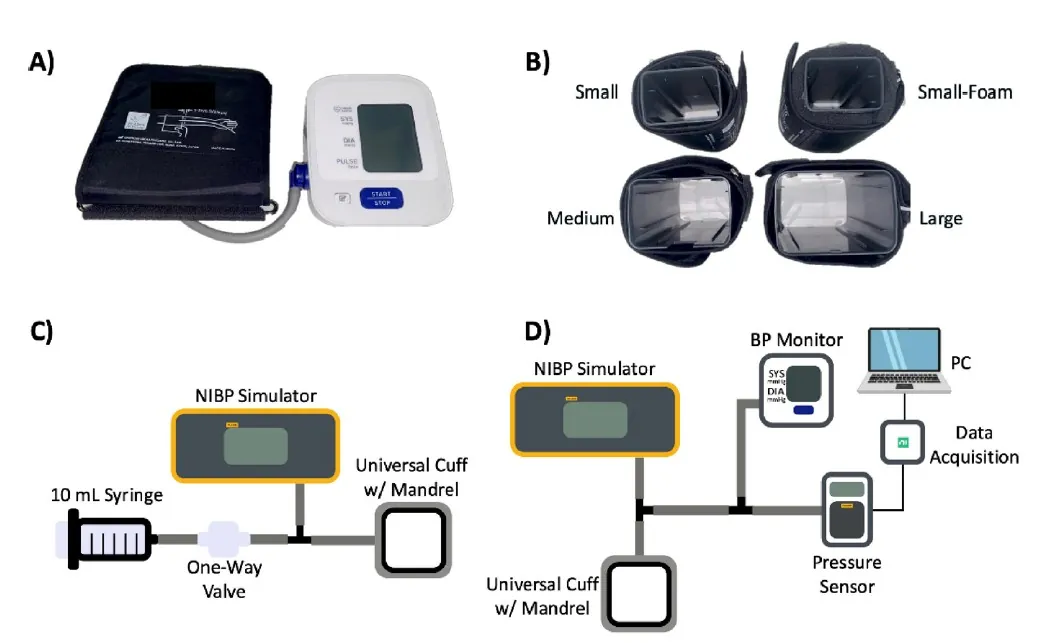
Cardiac output, blood pressure, HRV, and respiration — pulled out of the body without a single needle. PPG at the fingertip, BP at the arm, ECG on the chest, respiration from the cuff. One patient, many modalities.

Mixed-Signal
Medical Hardware

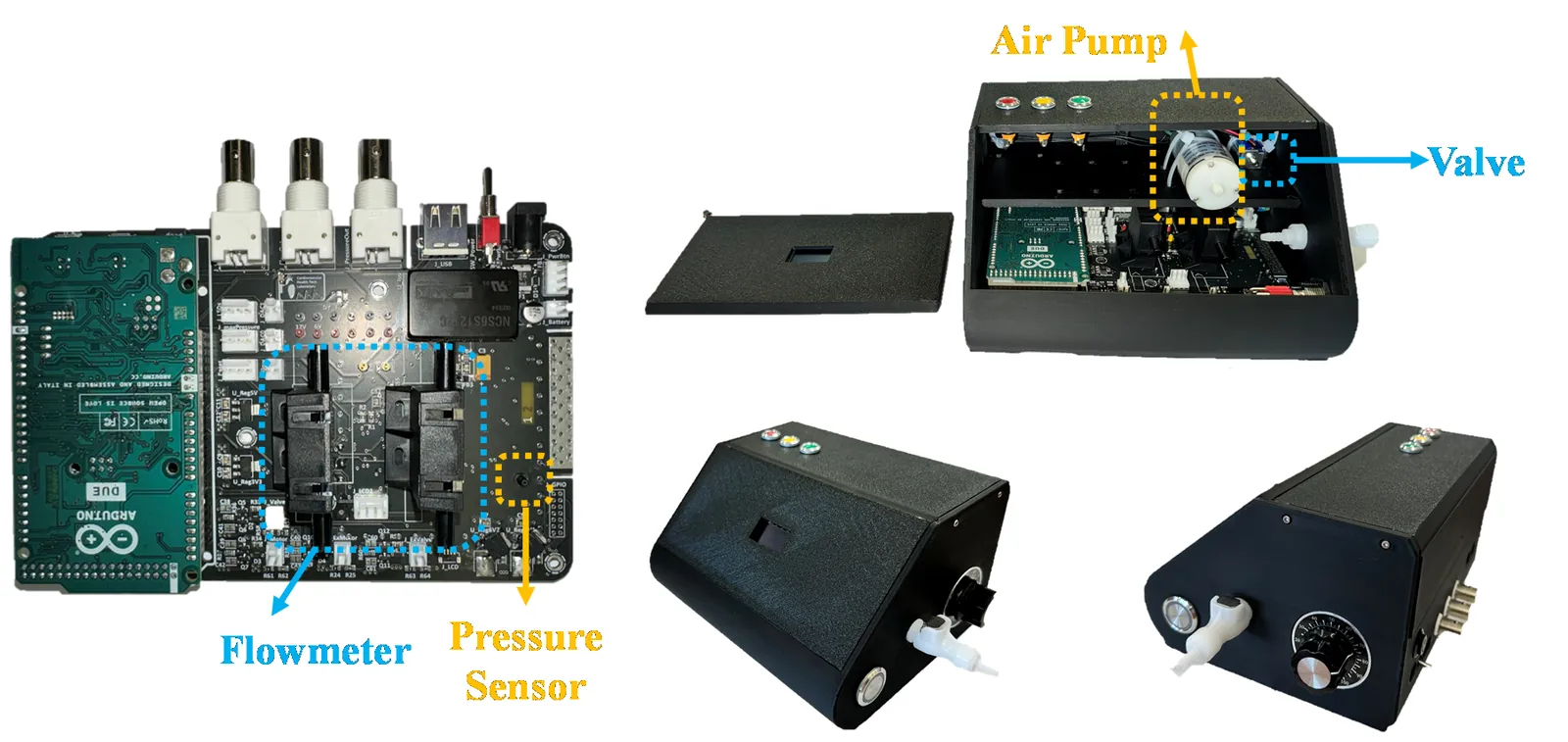
Custom PCBs (up to 14 layers), analog front-ends for PPG / ECG / pressure / respiration, pneumatic pump & valve control with PID, bring-up and failure analysis.

Signal Processing
& ML for Physiology

PPG and ECG denoising, harmonic-SNR quality gating, R-peak detection, pulse-pressure envelope fits, respiration extraction, and ML for hemodynamic parameter estimation.

Try the research

The physics behind the cuff: arterial blood volume.

An arm cuff doesn't measure pressure directly — it reads tiny volume oscillations in the brachial artery. That volume vs. transmural pressure is sigmoidal, and the slope (compliance) peaks where mean arterial pressure lives. Drag the cuff pressure: the left panel shows the model, the right panel shows the artery cross-section, pulsating and collapsing in real time.

Cuff pressure 150 mmHg
Transmural P (mean) −57 mmHg
Volume DC 0 % Vmax
Pulse AC (pk-pk) 0 % Vmax
State artery collapsed
0 80 (DBP) 93 (MAP) 120 (SBP) 200
● SBP 120 ● MAP 93 ● DBP 80

Open to Work

Actively interviewing for 2026 start dates
Graduating December 2026
Based in Pittsburgh, PA
Open to Relocation · Hybrid · Remote

Target roles

  • R&D Engineer / Scientistmedical devices, wearables, physiological monitoring
  • Biomedical Signal Processing / MLPPG, ECG, BP, respiration, HRV pipelines
  • Sensor Systems Engineeranalog front-end + firmware + calibration
  • Research Scientist — Health MLwearables, at-home vitals, clinical deployment
  • Mixed-Signal Hardware Engineermulti-layer PCB, pneumatics, instrumentation

What I bring

  • Full stack, one engineercustom PCB → firmware → signal pipeline → ML → clinical GUI
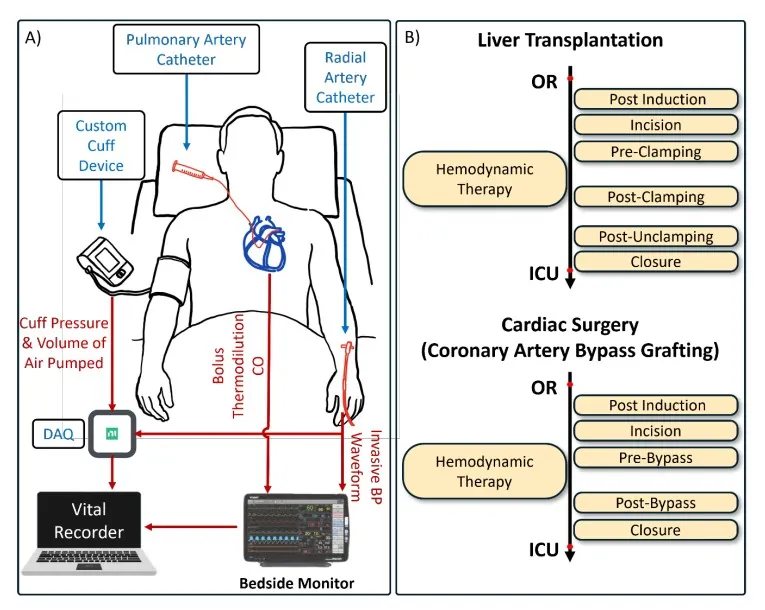
  • Clinical validationmulti-site surgical studies vs. PAC and radial art-line gold standards
  • Peer-reviewed recordfirst-author work + two best-paper awards
  • Industry-hardened3+ years at Parsian/Tosan: 14-layer PCBs, FPGA pipelines, RF characterization
  • Patient-safety mindsetPID loops, noise floor, calibration drift, pneumatic transients — the parts nobody sees

Best-fit teams

I look for clinically grounded R&D teams and early-stage investigation groups — groups shipping non-invasive vitals, wearables, or hospital-grade home monitors.

Start a conversation → Download full CV (PDF)
Same hobby, different decade

It's all just signals.

Chased a decaying sine wave off a SAW sensor in 2018. Chasing an oscillometric envelope off an arm cuff now. The physics is different — the tricks are the same. Watch one morph into the other:

2018 Damped sine wave SAW resonator · IEEE
2025 Oscillometric envelope Arm cuff · Sci Reports · medRxiv
03

Featured Work

Signal pipeline

Multi-Modal Biosignal Toolkit

MATLAB/Python pipelines for PPG, ECG, respiration, and oscillometric signals — harmonic SNR quality gating, inter-slot dark subtraction, R-peak gating, envelope fitting, and respiratory modulation extraction.

Cross-platform DAQ

Clinical Study Software

PyQt GUI running on Raspberry Pi 5 and Windows, supporting four PPG array configs, MCC128 DAQ, PCA9685 PWM, NI-DAQ, dual-camera edge detection, and GitHub-synced deployment to research stations.

Industry · Tosan

Mixed-Signal RF Hardware (2019 – 2022)

Led 14-layer DSP/IF PCB design (EMI/EMC, PDN, thermal budgeting). Built automated RF characterization workflows and directed microprocessor signal-processing chains on Artix-7 and Kintex-7.

04

CV & Background

Download PDF
  1. Sept 2025
    ★ Outstanding Paper Award
    MACSOS Conference
    University of Pittsburgh
    "Cardiac Output Monitoring via an Automatic Arm Cuff Device: Potential in Surgical Patients."
  2. May 2025
    ★ Top Poster Prize
    Safar Symposium
    Dept. of Anesthesiology · University of Pittsburgh
    "Smart Cuff for Multi-Parameter Hemodynamic Monitoring."
  3. Aug 2022 – Dec 2026
    Education · PhD Candidate
    PhD, Bioengineering (Biosignals)
    University of Pittsburgh
    Joint coursework at Carnegie Mellon: Intro to ML (10-601), ML in Healthcare (10-742), DSP (18-691), Biostatistics (42-685).
  4. 2022 – Present
    Teaching & Mentorship
    TA / Instructor · Undergraduate & Graduate courses
    University of Pittsburgh · Prior: University of Tehran
    Lab assistant and instructor for undergraduate and graduate-level courses; co-mentoring junior researchers on signal-processing pipelines and hardware bring-up.
  5. 2019 – 2022
    Experience · Industry
    Senior Digital Electronics Engineer
    Tosan Co.
    14-layer DSP/IF PCB design; automated RF characterization workflows; microprocessor signal-processing chains on Artix-7 and Kintex-7.
  6. 2016 – 2018
    Education
    MS, Integrated Circuits
    University of Tehran
  7. 2012 – 2016
    Education
    BS, Digital Electronics
    Amirkabir University of Technology

Technical Skills

Hardware
AltiumPCB (14-layer)Sensor AFEADC/DACPID controlFailure analysisLab bench (scope, SA, VNA)
Software & ML
PythonPyQtPandasSciPyNumPyPyTorchscikit-learnMATLABC/C++LTspiceCadence
Embedded & Systems
I²CSPIUARTFPGA (Artix-7, Kintex-7)MCU firmwareRaspberry PiNI-DAQTest automation & cal
Dev & Process
Git / GitHubVersion controlLinuxAgile sprintsTechnical writingPeer review
Medical-device literacy
IEC 62304 (aware)ISO 13485 (aware)IEC 62366 usability (aware)Design controls (21 CFR 820.30)Risk mgmt (ISO 14971)IRB / human-subjects research

Not a formal QMS role — but I've worked adjacent to these standards on clinical studies and can speak the language from day one.

05

Publications

Peer-reviewed

  1. 1
    medRxiv · 2025 · First author · ★ Outstanding Paper, MACSOS 2025
    Jazini, M., Daher, H., Kumar, R., Dhamotharan, V., Sathe, A. M., Longhitano, Y., Abuelkasem, E., Chandrasekhar, A., Pinsky, M. R., Subramaniam, K., Planinsic, R. M., Hahn, J.-O., Shroff, S. G., Howard-Quijano, K., Mahajan, A., & Mukkamala, R. · medRxiv 2025.10.09.25337689
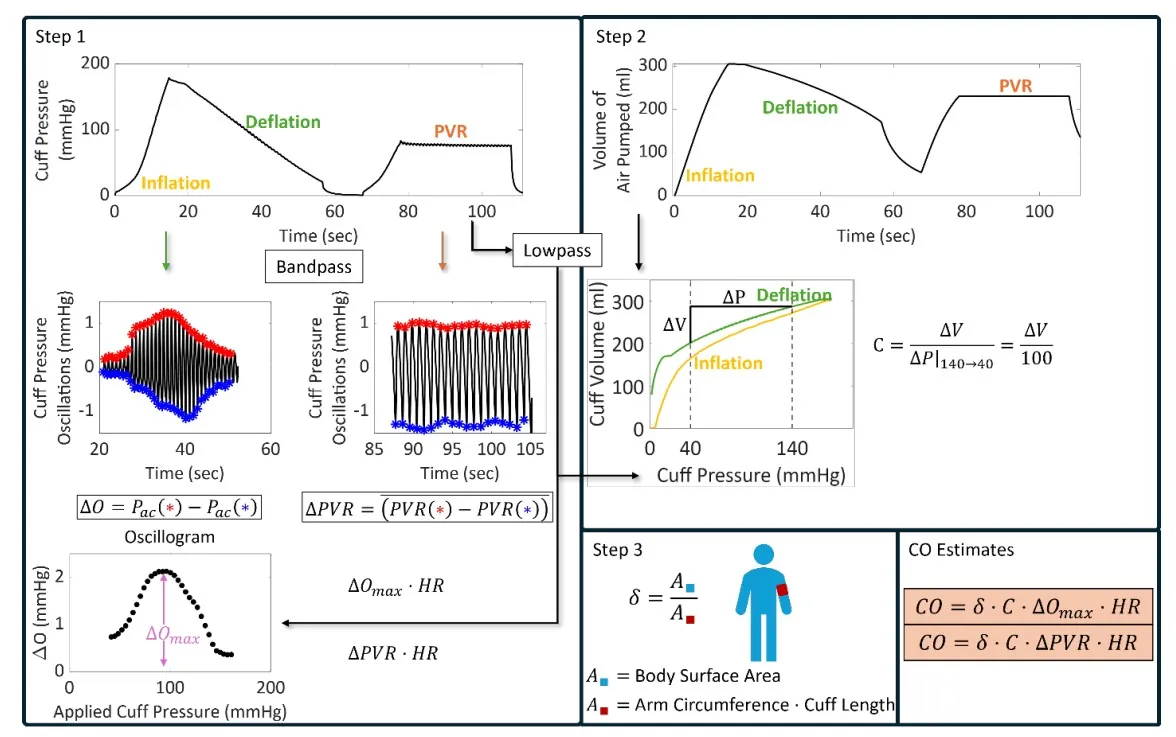
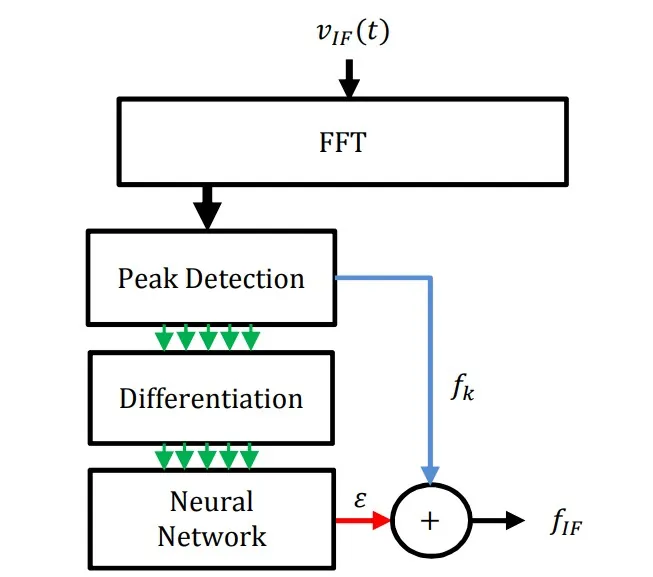
    Key result: 34 surgical patients (24 liver transplant + 10 cardiac). Cuff-based cardiac output estimates hit r=0.60, 83% concordance vs thermodilution — matching invasive pulse-contour performance (r=0.62, 81%) with no catheter.
    Stepwise cuff-based cardiac output estimation framework
    Signal-processing pipeline with FFT, peak detection, and neural network correction
  2. 2
    Scientific Reports · 2025 · Second author
    Dhamotharan, V., Jazini, M., Kumar, R., et al. · Scientific Reports 15, 35095
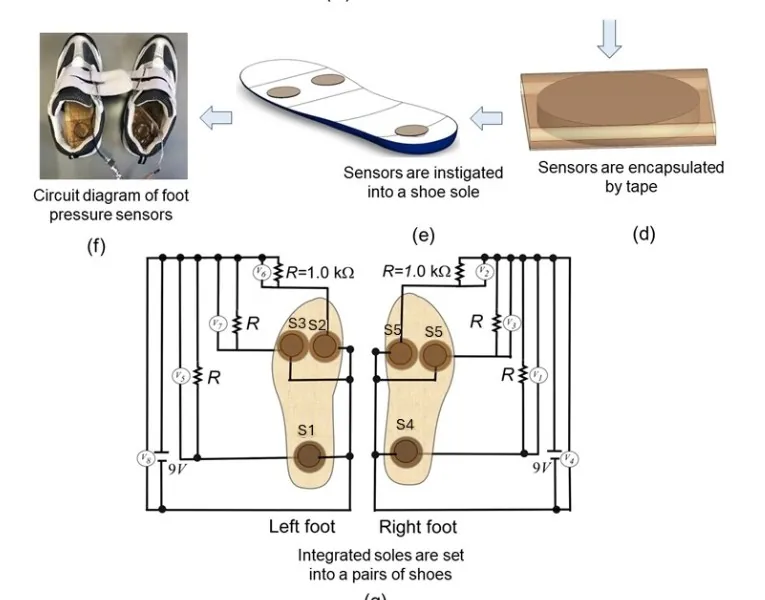
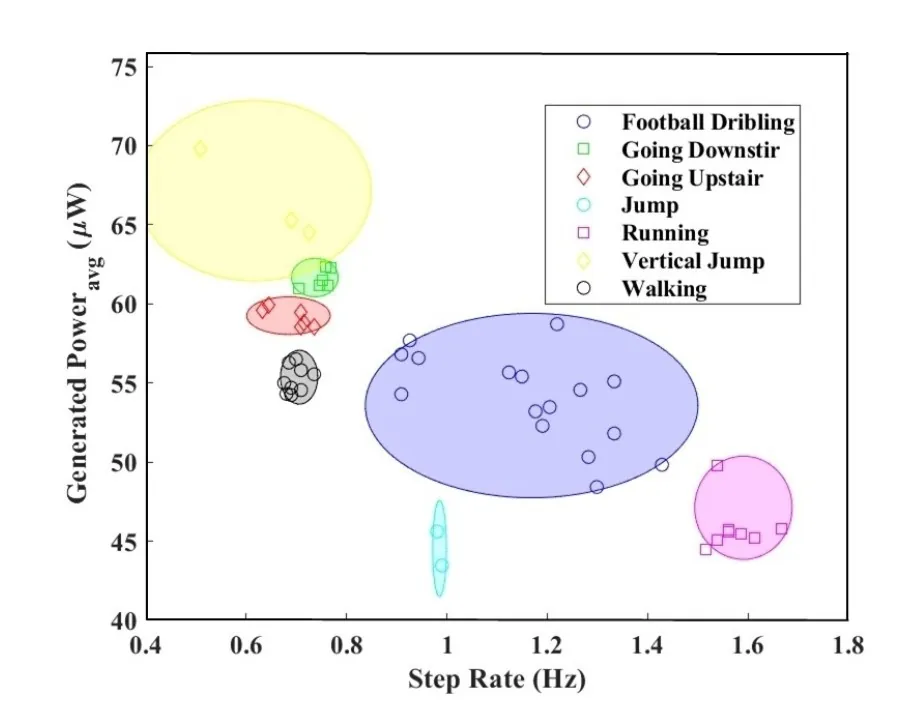
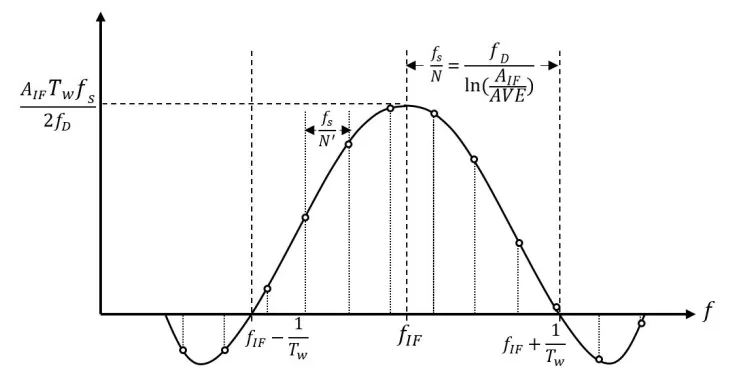
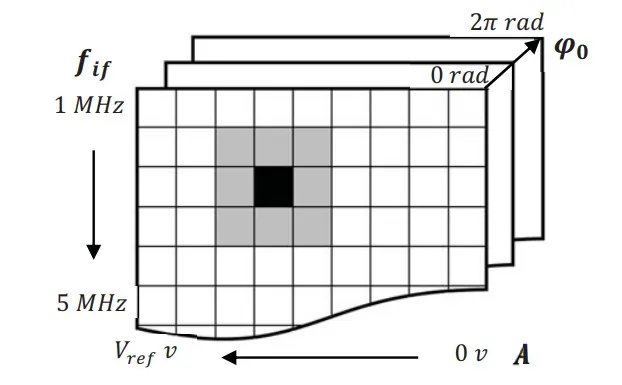
    Key result: A variable-ratio method (driven by max oscillogram amplitude) reduced systolic/diastolic BP errors from 5.8 / 1.5 mmHg → 1.5 / 0.8 mmHg — a ~4× improvement in systolic accuracy, and a window into how real home monitors actually work.
    In-shoe pressure sensor placement and wiring circuit
    Search-space illustration across IF frequency, phase, and amplitude
  3. 3
    Analysis & Sensing · 2024
    Momin, Md. A., Jazini, M., et al. · Analysis & Sensing
  4. 4
    ICSPIS · 2019 · First author
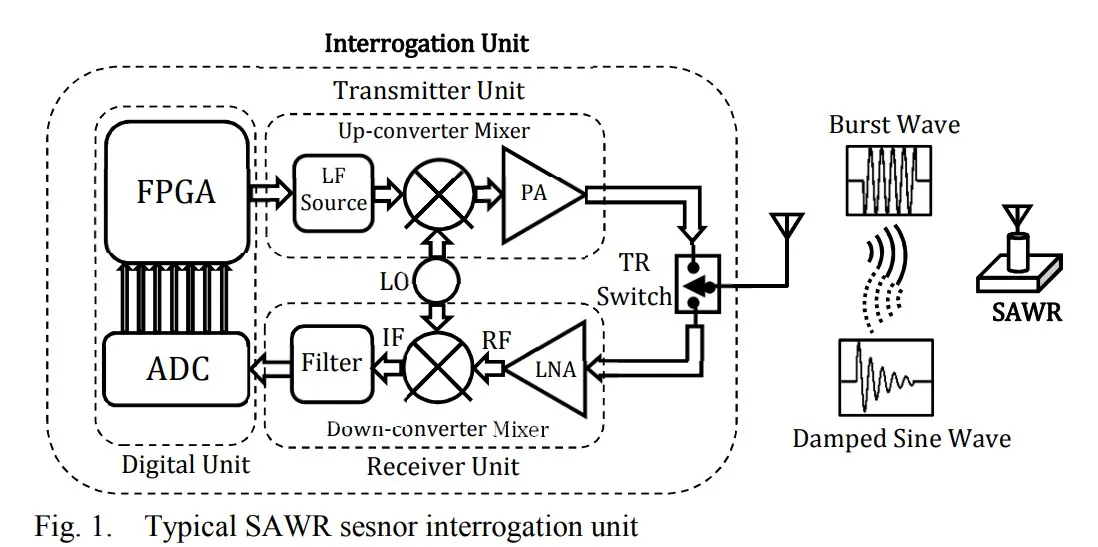
    Jazini, M. M., Khoshakhlagh, M., & Masoumi, N. · 5th Iranian Conf. on Signal Processing and Intelligent Systems, IEEE
    SAWR interrogation architecture with transmit and receive chains
  5. 5
    IRSS · 2019 · First author
    Jazini, M. M. & Masoumi, N. · IRSS · IEEE
  6. 6
    ICEE · 2018 · First author
    Jazini, M. M., Khoshakhlagh, M., & Masoumi, N. · Iranian Conf. on Electrical Engineering, IEEE

Conference Presentations

06

FAQ

The questions I get asked most often by recruiters and collaborators — answered up front, so we can use our first call for the interesting stuff.

When are you available to start?

I will defend in late 2026 and am targeting a January – March 2027 start date. For the right role I can consider a part-time or research-collaboration engagement earlier while I wrap up.

Remote, hybrid, or on-site?

All three work. I'm based in Pittsburgh but open to relocating anywhere in the U.S. — East Coast, West Coast, or anywhere with an active medical-device R&D ecosystem. For a great team I'll also consider Europe or Canada.

What kind of team fits you best?

I do my best work in early-stage investigation groups for R&D — clinically grounded teams shipping non-invasive vitals, wearables, or hospital-grade home monitors. Small-to-mid size ideal; I'll happily own a cross-discipline lane.

Have you worked on regulated medical devices?

My clinical studies are IRB-approved and follow human-subjects research protocols. I haven't led a formal 510(k) or IDE submission, but I've worked adjacent to design controls, IEC 62304 software lifecycle, and ISO 14971 risk management — and I can speak the language from day one.

Can you code, or just design hardware?

Both — honestly, I'm an embedded systems engineer at heart, so I code and design electronics together; which side leads depends on the project. I ship the whole stack: custom PCB → firmware → signal processing → ML → clinical GUI. Python daily (Pandas/SciPy/PyTorch/PyQt), C/C++ for embedded, MATLAB for quick prototyping, Git for everything.

References?

Available on request — my PhD advisor and clinical collaborators (PIs and Co-PIs). Reach out by email and I'll share contact details.

How should I reach you?

Email is fastest: Mahdi.Jazini@pitt.edu. LinkedIn DMs work too. I reply within a day or two.

07

Let's talk

Hiring for a medical-device R&D, sensor-systems, or health-ML role? I'm listening.

Open to clinical collaborations, lab visits, or a deep dive on signal processing. Based in Pittsburgh, PA — open to relocation, hybrid, or remote. Best reached by email; I usually reply within a day or two.

Hire me